
Day-to-Day Management
Practical guidance for living with facial palsy — from eating and oral care to pain, breathing, and protecting your face from cold and wind.
Eating & Drinking
Challenges
Food/liquid spills from affected side
Can't form lip seal
Tongue doesn't move food well
Risk of choking
Solutions
Drinking
Use straw (bite down on it to seal)
Press finger on affected mouth corner to seal
Use special cup with lowered rim on one side
Hold napkin under chin to catch spills
Try different cup types (thin china vs. thick ceramic)
Eating
Take small bites
Chew slowly
Drink lots of liquids with meals (prevent choking)
Keep multiple napkins handy
Add gravies/sauces to moisten food
Manually push food with finger if needed
Prevent biting inside of mouth
Eat slowly and carefully
Swelling from bites makes re-biting more likely
Ask dentist for topical ointment for sores
May need custom bite guard if severe
Critical
Oral Care
Challenges
Higher risk of cavities and gum disease
Mouth may not open fully
Can't swish mouthwash properly
Tongue can't clear food from teeth
May have dry mouth (saliva protects teeth)
Do This
Brush / floss more carefully
Use child-size toothbrush (reaches better)
Use electric toothbrush with small head
Use floss holders (easier than fingers)
Rinse well with water after eating
See dentist more frequently
Professional cleanings every 3-4 months
May prescribe high-fluoride toothpaste
May prescribe fluoride mouth rinse for nighttime
Can make custom fluoride trays
Drink water constantly
Take small bites
Ask dentist about saliva-stimulating medication
Use humidifier at night
Pain Management
For headache, ear, face, neck pain:

Watch Out
Medications
Acetaminophen (Tylenol) — safe with steroids
DO NOT take NSAIDs (ibuprofen, aspirin, naproxen) while on steroids without doctor approval
Helpful
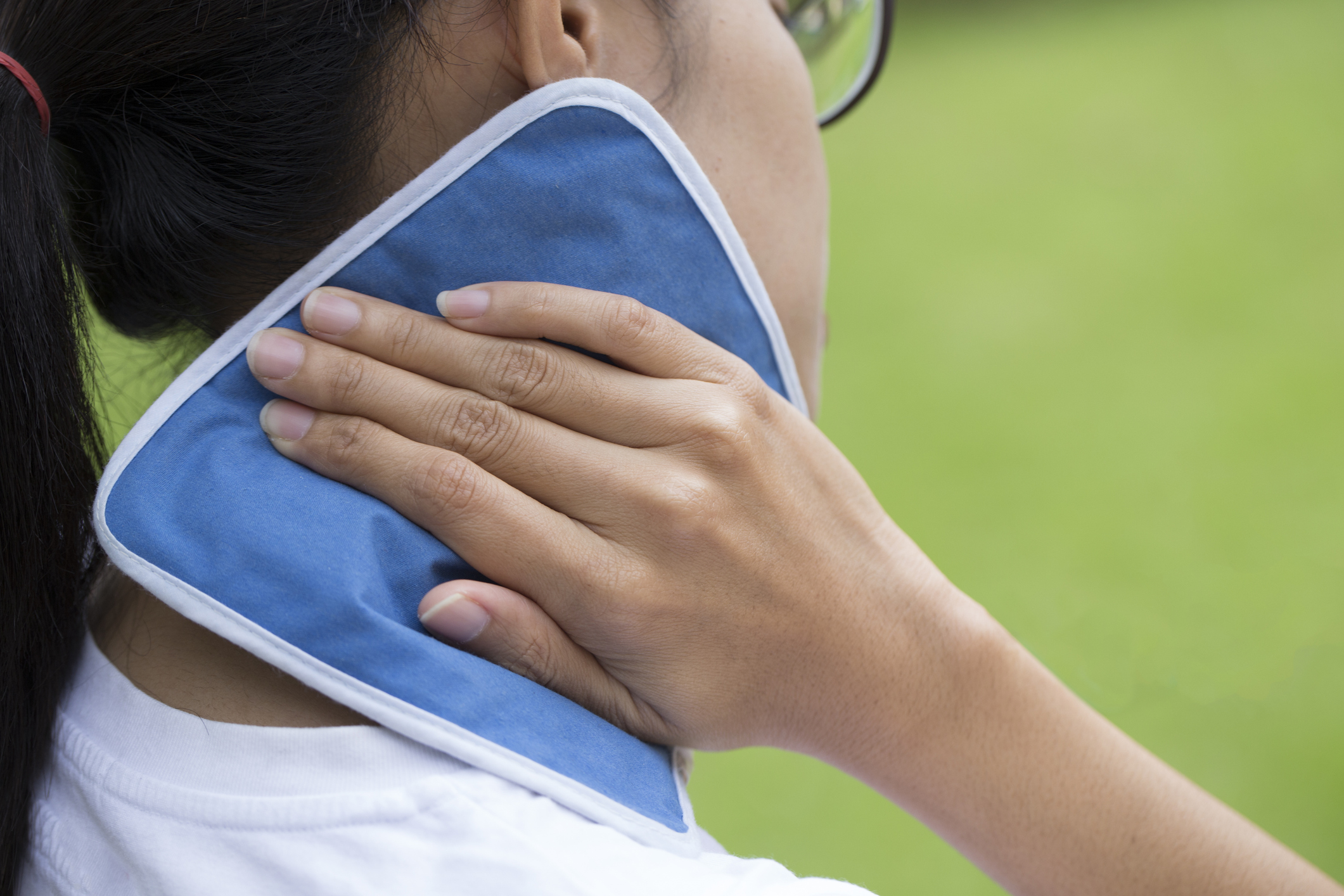
Heat therapy
Warm compress
Microwavable beanbag
Warm bath/shower

Helpful
For noise sensitivity
Remove yourself from loud environments
Use earplugs
Use high-fidelity musician headphones
Breathing Issues
If you have nasal congestion / obstruction:
Use nasal breathing strips at night
Elevate head while sleeping
Use humidifier
Protect Your Face

From cold and wind
Keep your face warm
Wrap face in scarf when outside
Breathe into scarf to warm face
Avoid sitting under air conditioning
Avoid sleeping under fan/AC vent
Why: Cold stiffens facial muscles, may worsen symptoms
Small habits, real recovery.
Day-to-day management isn't glamorous — but consistent care across eating, oral hygiene, pain, breathing, and warmth makes the biggest difference in how you feel during recovery.